What Is The Reason Alcohol Detox Home Is The Right Choice For You?


Alcohol Detox Home - Tips For Staying Sober
If it is done improperly, the process of the process of detoxing from alcohol can be dangerous. It is recommended to consult a medical professional to assess your condition and provide advice.
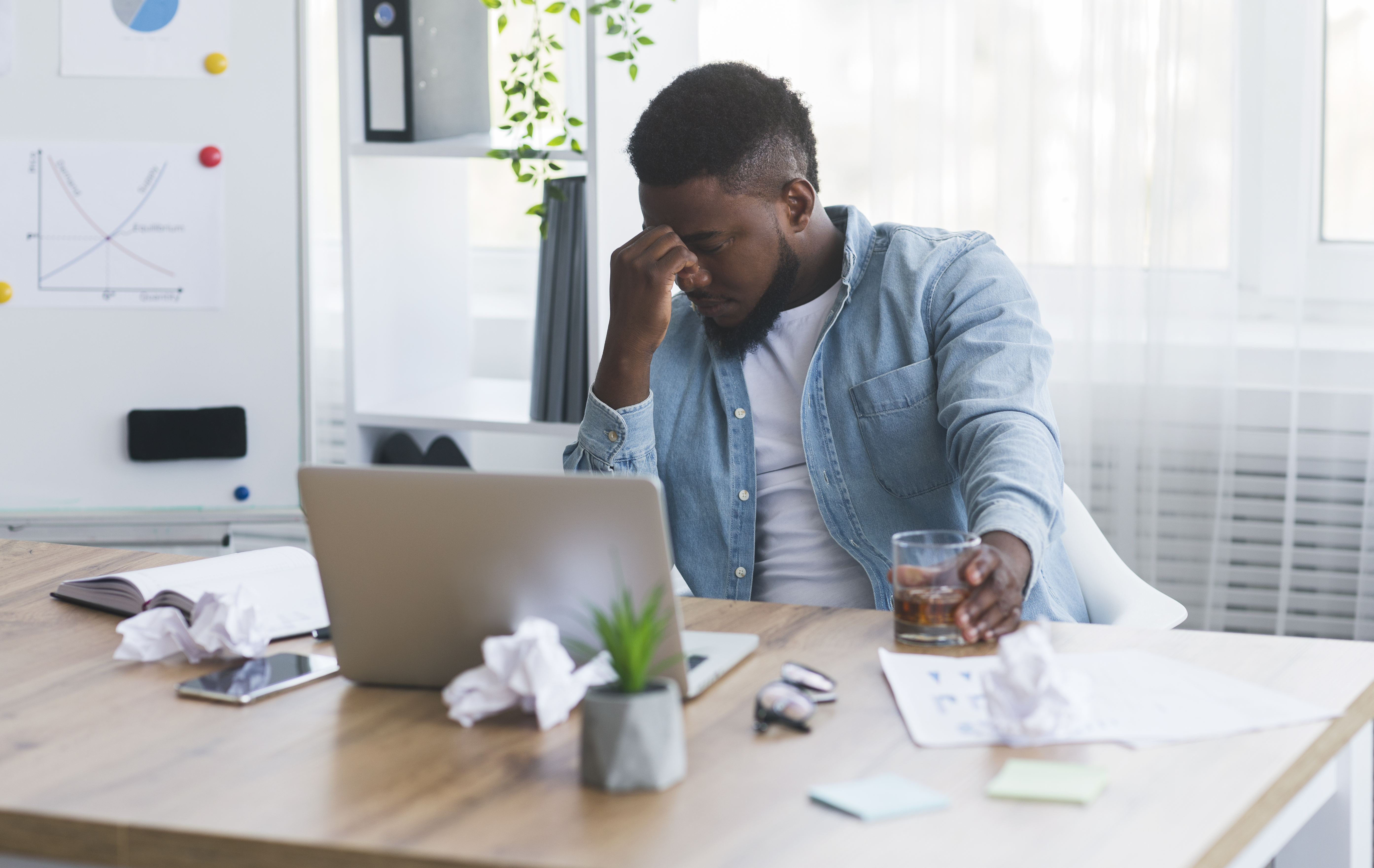
A home detox is not recommended due to the risks associated with withdrawal symptoms, such as seizures and delirium of tremens (DT). However, some strategies can assist you in achieving an effective and safe detox at home.
Make Alcohol Access difficult
Alcohol is a risky and widespread substance across the world. It can lead to health issues as well as social issues and addictions. Alcohol addiction can make it difficult for people to stop drinking on their own. Even if they try hard to get rid of their drinking issue most will require medically supervised intoxication.
A number of studies have demonstrated that detoxing at home can be the same as inpatient treatment. The success of this method is dependent on a variety of factors. First, the patient must be in a stable environment. They must also have a support system in place and free of distractions. They should be prepared to endure a few weeks with no alcohol. Additionally they should have a plan in case they experience any withdrawal symptoms or an relapse.
If someone decides to detox at home, they should cleanse their homes of all alcoholic beverages. Additionally, they should stay away from being around people or relatives who might encourage them to drink. Additionally, they should stay busy with activities that will keep their mind away from alcohol. In addition, they must be well-nourished and take supplements to supply their bodies with the nutrients it requires during detox.
A person who is trying to detox at home should also take a lot of rest. This will enable the body to recover from the effects of drinking alcohol and can also improve mental health. Additionally, they should try to eat foods that are high in vitamin C. This will help cleanse the liver and speed up the detox process. It is also essential to drink plenty of fluids during this period.
People who are addicted to alcohol should not attempt to detox at home without the assistance of a doctor. The withdrawal from alcohol can be risky and can trigger hallucinations, seizures and other potentially life-threatening symptoms. It is best to seek medical attention in a controlled location where doctors can observe your withdrawal. They can also prescribe medication to ease withdrawal symptoms.
Reduce Your Alcohol Consumption
Many people who are addicted to alcohol choose to detoxify at home rather than an establishment. If the proper steps are followed, this option is safe. This includes not drinking any alcohol during detox and not taking other substances or drugs and seeking assistance from a medical professional following the detox. A doctor will also be able to monitor symptoms to make sure that the person doesn't suffer from Post-Acute Withdrawal Syndrome. PAWS can trigger depression, lethargy, and other long-term effects that make it hard to function.
The most important thing to do is to eliminate all alcoholic beverages from your home. This will prevent you from having access to them, and will increase your chances of a successful detox. You should also avoid bars and liquor stores, and alter your habits so that you are not at risk of being enticed to drink. You should also ask friends or family members to monitor you during your detox period to provide support and make sure that you are not drinking.
The process of reducing your alcohol consumption could be a good method to reduce withdrawal symptoms. This involves gradually reducing the amount of alcohol you consume over a period of time. There are two ways to do this either a direct taper or a substitution taper. A direct taper involves reducing your drink quantity over time, whereas substituting taper is the process of substituting alcohol-rich drinks with low-alcohol options. This can take longer than just quitting drinking cold turkey, but it is more manageable and less likely to cause severe withdrawal symptoms.
In addition to reducing your alcohol consumption it is important to drink plenty of water. This will avoid dehydration, which could cause headaches, fatigue, nausea, and other unpleasant symptoms. Avoid foods that are high in sugar or fat because they can trigger alcohol cravings.
Another useful tool to overcome cravings is to practice mindfulness and meditation. These methods have been proven to curb cravings for alcohol and assist people in sustaining their sobriety over the long-term. Exercise can also help reduce stress, improve mood and improve the immune system.
Keep Yourself occupied
Keeping yourself busy is a vital aspect of staying sober. Sleeping well is essential for a healthy lifestyle, but there are many other activities you can engage in as well. Hobbies, work, and even volunteer activities can keep your mind clear of alcohol. You can also make an agenda of goals you want to achieve and then mark them off as they are accomplished. This will provide you with a sense of accomplishment and something to look towards.
It is another method to remain clean. It's an essential component of detoxing alcohol. Sleeping helps home alcohol detox recover, and when you're getting enough of it your brain is at identifying the buildup of toxins, and sends signals for them be eliminated.
It is also important to ensure that you eat healthy balanced meals throughout this period. It's important to avoid sugary foods and eat lots of fruits and vegetables, that are rich in vitamins and minerals that can aid in detoxification. Drinking lemon water is beneficial for detoxification as it stimulates your liver and speeds up detoxification process.
In the end, it's essential to stay away from any enablers or drinking advocates in your life. These are people who are not supportive of your sobriety and could even attempt to lure you into drinking. You should surround yourself with supportive, sober family and friends who will support you through your detox.
Finding a home for an alcohol detox is possible if you are prepared for the challenges and have a plan in place. You can overcome your addiction to alcohol and move toward a more positive and healthier future by following the right path. However, if you are struggling to stop drinking on yourself, it's best to seek out professional treatment and medical attention to ensure a secure and effective alcohol detox. Inpatient rehab facilities offer 24 hours care, medication and support to address underlying issues that could trigger an rebound. In addition to detoxing from alcohol, a program can also provide specific treatments for co-occurring disorders like depression and anxiety.
Get Support
It is essential to seek help from family and friends if you are struggling with an addiction to alcohol. This support can assist you through the detox process and help you stay on the path towards long-term recovery. It is essential to join a support group such as BetterHelp where you can talk with an addiction and mental health counselor. This can be beneficial as it allows you to talk to someone who is able to understand your situation and provide you with a secure environment.
Drinking plenty of water is crucial during detox, especially if nausea and vomiting are present. This could lead to dehydration which can cause various health issues. Try drinking water or other non-caffeinated drinks like squash or tea. Avoid beverages that contain caffeine because they can alter your sleep patterns, which are likely to be disrupted by withdrawal symptoms. Drinking lemon juice can also help to cleanse your liver and accelerate the process of detoxification.
In the course of your alcohol detox at home, it is also an ideal idea to take ample rest. This will allow your body to heal from the stress triggered by withdrawal symptoms. Additionally getting enough rest will lessen your desire for alcohol and help you to stay sober in the future.
Exercise can also relieve stress and improve your mood. It can also improve your cardiovascular health and lower blood pressure. Some of the activities you can take into consideration are yoga, swimming or walking, as well as playing sports.
It's not a good option to try to detoxify from alcohol at home, without medical supervision. Alcohol withdrawal can trigger serious symptoms such as hallucinations, seizures, and heart failure. It can be difficult to predict how you'll react at home to withdrawal symptoms. This is why it's a good idea to go to a treatment center for detox from alcohol.